


Lake Manyara National Park is dominated by a shallow alkaline lake at the base of the Rift Valley escarpment. It is famous for its tree-climbing lions and large elephant herds. The park entrance leads to a junglelike groundwater forest, which is home to big numbers of olive baboon and blue monkey. A thrilling 370m-/1,200ft-long treetop walkway offers a bird’s eye view into this unique habitat. The park has a remarkable variety of habitats in a small area. Most notable is the dense, evergreen groundwater forest featuring ancient mahogany and fig trees. Other habitats include the grassy floodplain, rocky escarpment and acacia woodland, all of which can be covered in a half-day visit. Deeper into the park, a visit to the hot springs (Maji Moto) is recommended.
You’ll see a lot of different wildlife quickly on game drives, but there are other ways to get close to nature in the park. On a night drive you’ll have a chance to find creatures that are active at night, and on a canoe safari you might possibly see the big flocks of pink-hued flamingos for which the park is famous. Lake Manyara can also be explored on foot. And if your nerves can take it, the treetop walkway is a must.
Lake Manyara National Park is known for its legendary tree-climbing lions and impressively tusked elephants. Large buffalo, wildebeest and zebra herds gather on the grassy plains. The escarpment is home to a dense leopard population, but you’ll need some luck to see one of these secretive big cats. The forest patch at the entrance of the park is home to habituated troops of olive baboons and blue monkeys. The occasional bushbuck can also be spotted here, darting off in the undergrowth. Cute little dik-diks with their Bambi eyes and wriggly noses are common, and klipspringer pairs are sometimes seen balancing on the rocks at the far south of the park. Lake Manyara National Park is said to have the largest population of baboons in all of Africa. One of the real highlights is the flamboyance of flamingos that stain the soda lakes pink.
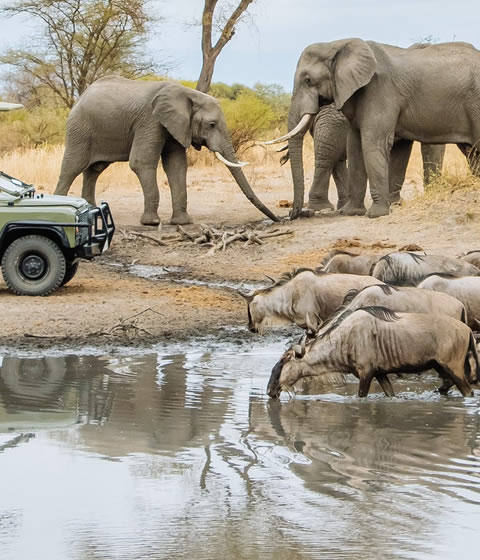 Watering hole at the Lake Manyara National Park
An incredible array of bird life thrives on the alkaline soda of Lake Manyara. Pink flamingo stoop and graze by the thousands, colourful specks against the grey minerals of the lake shore. Also seen here are Yellow-billed storks and herons, all merging together to provide a spectacular show to the onlooker. Even reluctant bird-watchers will find something to watch and marvel at within the national park. Lake Manyara National Park provides a great introduction to Tanzania’s birdlife. More than 400 species have been recorded and you might be able to observe 100 in one day. The park supports a big array of water-associated birds, including pelicans. When the water level is right, thousands of pink-hued flamingos flock to the lake to breed and feed. Unfortunately, access to the shore is restricted and you might not be able to see them. More than 50 species of bird of prey have been recorded including crowned eagle and African hawk eagle. Migratory birds are present from November to April.
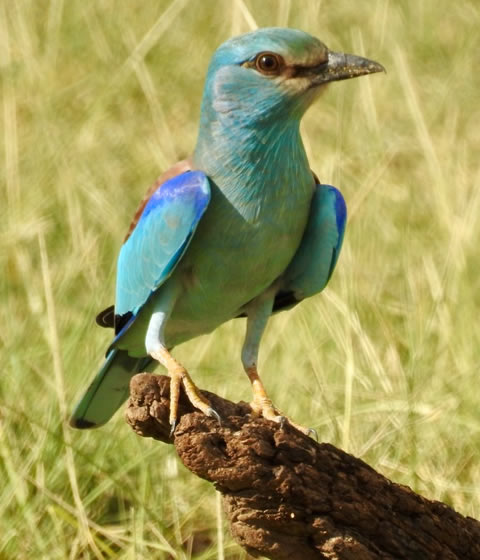 Birds at the Lake Manyara National Park


